
Kids Coloring Pages: 7 Surprising Benefits Every Parent Should Know
Kids Coloring Pages: 7 Surprising Benefits Every Parent Should Know
Most parents see coloring pages as a simple way to keep kids busy on a rainy afternoon. But research shows that coloring is one of the most effective developmental activities you can give your child. From building fine motor skills to boosting emotional resilience, the humble coloring page packs a surprising punch.
Whether your child is 3 or 13, here is why coloring pages deserve a permanent spot in your parenting toolkit, and how AI-powered tools are making it easier than ever to keep the supply fresh.
1. Cognitive Development: Building Focus and Problem-Solving Skills
Coloring is not passive entertainment. When a child picks up a crayon and decides which color goes where, they are making dozens of small decisions: Which color should the sky be? Should this flower be red or purple? How do I stay inside the line?
These micro-decisions train the brain in ways that matter. Studies have shown that structured coloring activities improve concentration span in young children. The act of focusing on a single task (choosing colors, applying them carefully, completing a section) builds the same attentional muscles kids need for reading, math, and classroom learning.
For preschoolers, coloring also introduces spatial awareness. Children learn about boundaries, shapes, and how different areas relate to each other on the page. This kind of visual-spatial reasoning is a foundational skill for geometry, map reading, and even coding later in life.
2. Fine Motor Skills and Handwriting Readiness
Every parent knows the journey from wild scribbles to controlled lines. Coloring pages are one of the best tools for accelerating that journey.
Holding a crayon, controlling pressure, and moving within boundaries all strengthen the small muscles in the hand and fingers. These are the exact muscles children need for handwriting, buttoning shirts, tying shoes, and using scissors.
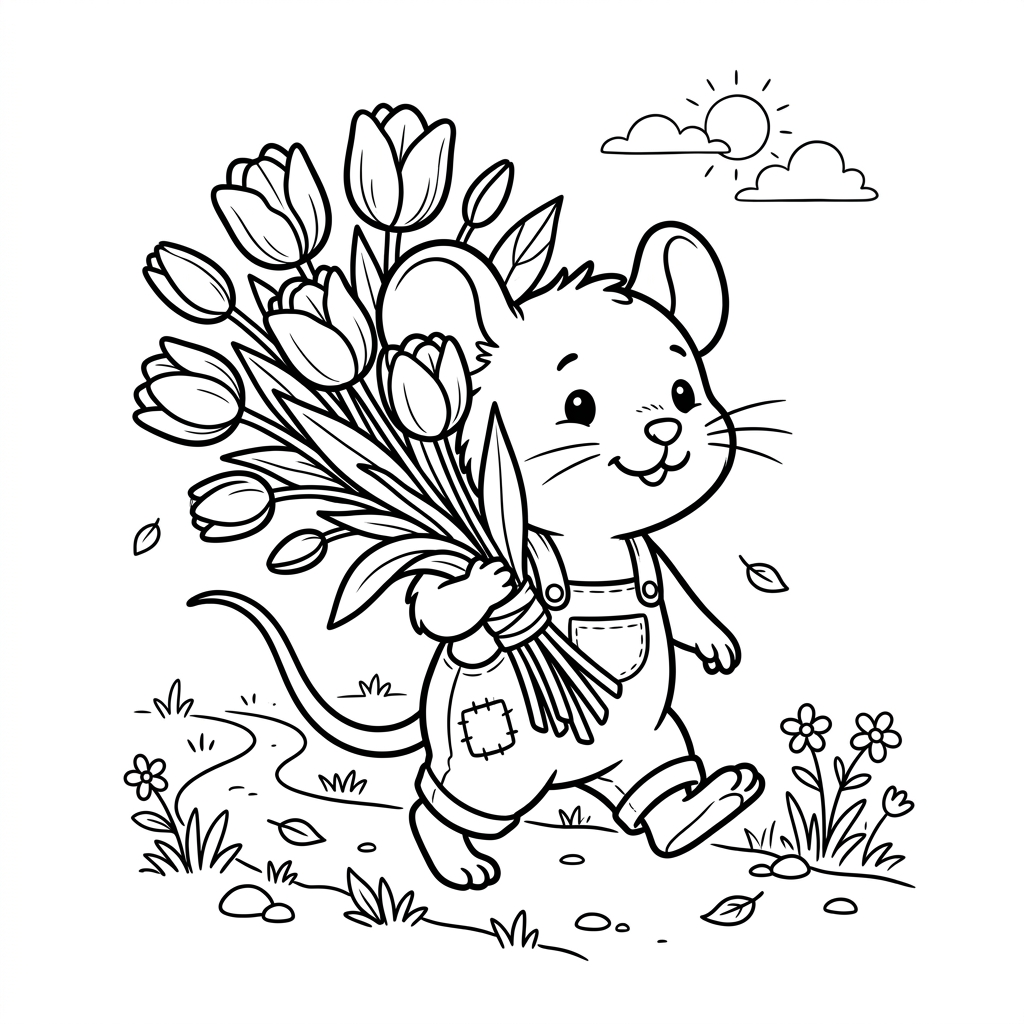
Occupational therapists often recommend coloring as a home exercise for children who struggle with fine motor development. The beauty is that kids do not see it as therapy. They see it as fun. A coloring page with their favorite animal or character keeps them practicing willingly for 20 or 30 minutes at a stretch.
Hand-eye coordination also gets a workout. Children must coordinate what their eyes see (the lines on the page) with what their hands do (staying within those lines). This connection is critical for sports, writing, and everyday tasks.
3. Emotional Expression and Stress Relief
Children feel big emotions but often lack the vocabulary to express them. Coloring gives them a non-verbal outlet. A child who is feeling angry might press hard with a red crayon. A child who feels calm might choose soft blues and gentle strokes. The page becomes a safe space for emotional expression.
Research from the American Art Therapy Association shows that creative activities like coloring can lower cortisol levels in children, reducing stress and anxiety. In a world where even young kids face pressure from school, social dynamics, and screen overload, a simple coloring session offers a genuine reset.
This is especially valuable during transitions like a new school, a new sibling, or moving to a new home. When words fail, colors speak. Parents and therapists alike use coloring as a conversation starter: "Tell me about your picture" can unlock feelings a child did not know how to share.
4. Creative Confidence and Imagination
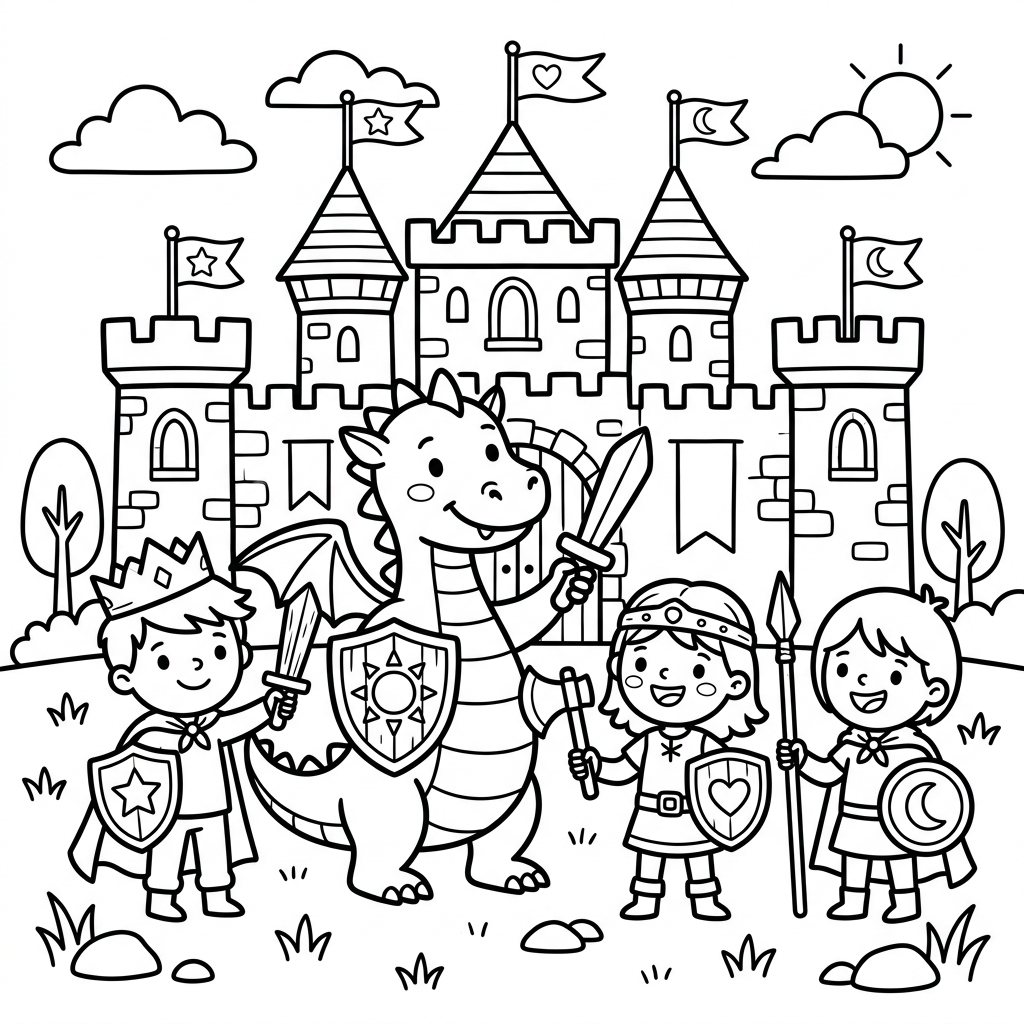
Unlike drawing from scratch, which can feel intimidating, coloring pages provide structure while still leaving room for creative choices. A child can color a dragon green, purple, rainbow, or polka-dotted. There are no wrong answers.
This "creative scaffolding" is incredibly important for building artistic confidence. Children learn that they can make something beautiful without needing to be skilled at drawing. Over time, this confidence spills into other creative activities like painting, crafting, storytelling, and eventually original drawing.
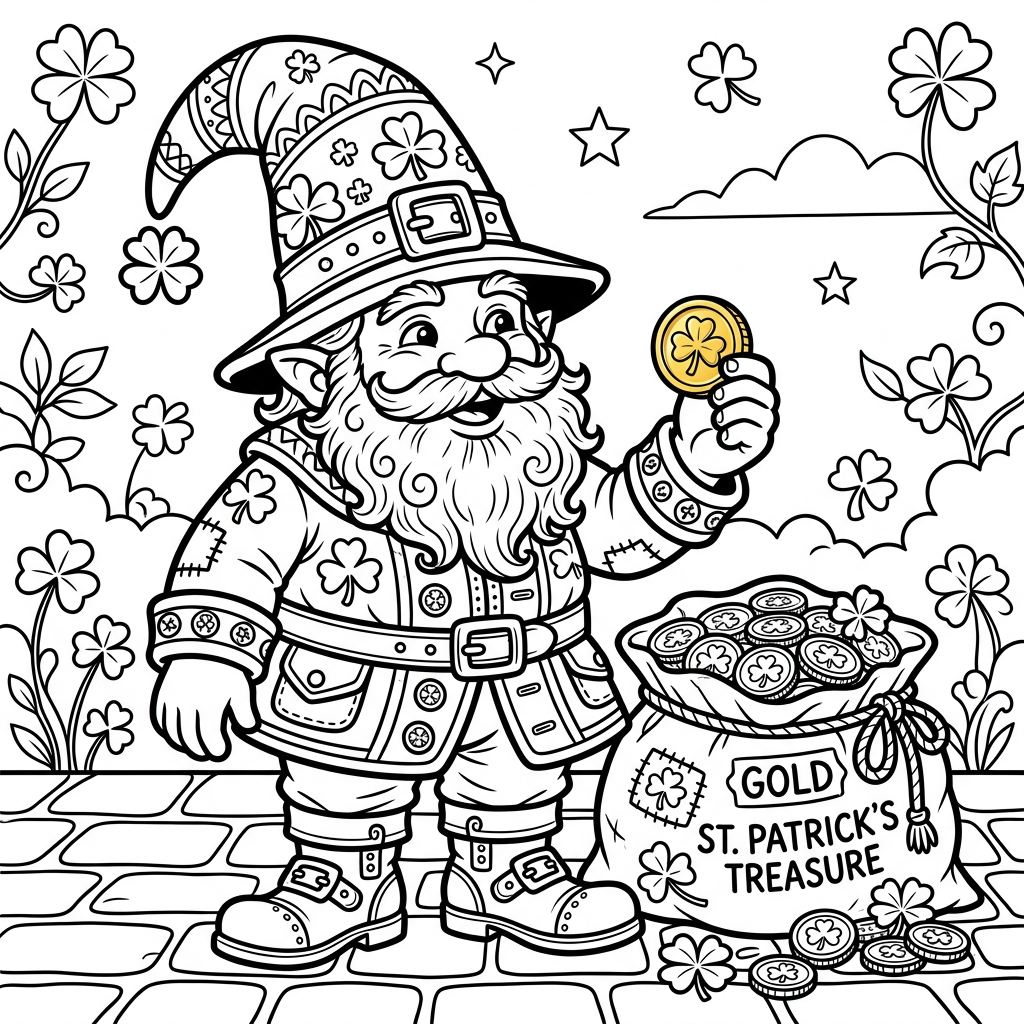
Coloring also teaches basic design principles without any formal instruction. Kids naturally experiment with color combinations, contrast, and patterns. They discover that yellow and blue are "happy" together, or that dark colors create a "spooky" mood. These are the building blocks of visual literacy.
5. Educational Value: Learning Through Play
Smart parents and teachers have been sneaking education into coloring pages for generations. Alphabet coloring sheets, number pages, animal identification pages, and map coloring activities turn learning into play.
When a child colors the letter "A" decorated with apples, they reinforce letter recognition, vocabulary, and the sound-letter connection all at once. When they color a world map, they absorb geography. When they color a life cycle diagram, science sticks.
The key is that coloring engages multiple senses simultaneously. The child sees the image, touches the paper, makes physical movements, and processes the information. This creates stronger neural pathways than passive reading or screen-based learning alone.
6. Screen-Free Time That Kids Actually Enjoy
In an era of tablets and smartphones, finding activities that kids enjoy without a screen is a real challenge. Coloring pages are one of the few analog activities that genuinely compete with digital entertainment.
The secret is novelty. Kids get bored coloring the same pages over and over. This is where having access to a large variety of fresh, interesting designs makes all the difference. When every coloring session brings a new adventure (a new animal, a new scene, a new character) kids stay engaged session after session.
Printing a fresh coloring page takes seconds and costs almost nothing. The payoff in screen-free time, creative engagement, and developmental benefits is enormous.
7. Quality Bonding Time for Families
Coloring is one of the rare activities that works across all ages. A three-year-old can color alongside a ten-year-old, and both will be engaged at their own level. Parents can join in too. Adult coloring has its own well-documented stress-relief benefits.
Family coloring sessions create low-pressure bonding opportunities. There is no competition, no winner or loser, and no right or wrong way to do it. Conversations flow naturally. Kids open up about their day while their hands are busy. It is quality time disguised as a simple activity.
Age-Appropriate Coloring Tips for Parents
Ages 2 to 3: Start with large, simple shapes and thick lines. Fat crayons are easier to grip. Focus on the experience, not staying inside the lines.
Ages 4 to 5: Introduce medium-complexity pages with recognizable objects like animals, vehicles, and food. This is when kids start caring about color choices and boundaries.
Ages 6 to 8: Kids are ready for detailed designs with multiple elements, patterns, and smaller sections. They start developing a personal style and color preferences.
Ages 9 and up: Offer more complex and intricate designs. Many older kids enjoy mandala patterns, zentangle art, and detailed character illustrations that challenge their patience and precision.
Why AI-Generated Coloring Pages Are a Game Changer
Traditional coloring books have a fixed set of pages. Once your child finishes them, you buy another book. AI-powered coloring page generators solve this problem entirely.
With tools like DoodleAI, you can create unlimited custom coloring pages tailored to your child's interests. Does your kid love dinosaurs this week and unicorns the next? You can generate exactly what they want, instantly. The pages are unique, so your child gets designs that no one else has, which makes coloring feel even more special.
AI-generated pages also scale with your child's ability. You can request simple designs for younger kids or intricate illustrations for older children. Themes, characters, and complexity are all customizable.
Start Creating Custom Coloring Pages for Your Kids
Ready to give your child the developmental benefits of coloring with pages designed just for them? DoodleAI's Illustrations generator lets you create custom kids coloring pages in seconds. Just describe what you want and get a unique, printable design instantly.
From cute animals and fantasy creatures to holiday themes and educational subjects, the possibilities are endless.
Create Custom Kids Coloring Pages Now →
Browse our free coloring page gallery for ready-to-print designs, or create your own with the AI generator. Your kids will love them, and you will love the benefits.